Protect Your Plants: Essential Frost and Freeze Survival Guide
A sudden drop in temperature can spell disaster for your beloved garden. One day your vibrant annuals are thriving, the next a frosty morning threatens to turn them limp and brown. Learning
how to protect plants from frost is an invaluable skill for any gardener, ensuring your hard work isn't undone by an unexpected cold snap. This comprehensive guide will equip you with the knowledge and practical strategies to safeguard your tender flora, extending your growing season and preserving your landscape's beauty.
From understanding the subtle differences between a frost and a more damaging freeze, to identifying your most vulnerable plants and implementing effective protective measures, we'll cover everything you need to know. Don't let unpredictable weather ruin your green sanctuary – a little preparation can make all the difference!
Understanding the Cold: Frost vs. Freeze Explained
To effectively protect your plants, it's crucial to distinguish between a frost and a freeze, as their impacts and the necessary responses differ. While both involve temperatures nearing or below freezing, their severity varies significantly.
*
What is a Frost? A frost typically occurs when temperatures fall between 32°F (0°C) and 36°F (2°C). You might initially think plants are safe above freezing, but moisture on plant surfaces can still crystallize at these temperatures, damaging delicate cell structures.
*
Light Frost: This happens at the higher end of the temperature range (34-36°F) and often damages only the most tender foliage, killing the tops of sensitive plants while the lower parts might survive.
*
Hard Frost: When temperatures hover around 32°F (0°C) for several hours, a hard frost can occur. This is more severe, usually killing all above-ground parts of tender plants. The visual cue is often a white, crystalline layer on surfaces.
*
What is a Freeze? A freeze is a more severe event, characterized by temperatures dropping below 32°F (0°C) for an extended period. This can be significantly more damaging than a frost.
*
Impact: Plants like tropical houseplants, geraniums, and many summer vegetables and flowers may not survive a sustained freeze. The prolonged cold can rupture cells, leading to irreversible damage and often death.
*
Seasonal Markers: In autumn, a freeze warning often signals the definitive end of the growing season for annuals, sending hardy perennials, trees, and shrubs into dormancy. In spring, these warnings necessitate moving tender plants indoors or providing robust protection until warmer weather returns.
Understanding these distinctions is your first step in preparedness. For a deeper dive into the nuances and impact on your garden, you might find
Frost vs. Freeze: Safeguard Your Garden from Winter Damage to be a valuable resource.
Identifying Vulnerable Plants: Who Needs Your Help?
Not all plants react to cold weather in the same way. Knowing which plants are most susceptible to frost and freeze damage is key to focusing your protective efforts where they're most needed. Generally, plants that flourish in warm climates or have thin, succulent leaves are the first to suffer.
*
Tender Annuals: These are often the first victims of a cold snap. Think of your popular summer bedding plants like petunias, impatiens, begonias, marigolds, and zinnias. They're typically grown for a single season and originate from tropical or subtropical regions, making them highly sensitive to cold.
*
Warm-Season Vegetables and Herbs: Many of our favorite edibles fall into this category. Tomatoes, peppers, cucumbers, squash, beans, eggplant, basil, and cilantro thrive in heat and will quickly succumb to frost. Protecting these can extend your harvest well into autumn.
*
Tropical Plants and Houseplants: Species like hibiscus, bougainvillea, orchids, and many common houseplants (if moved outdoors for summer) are extremely sensitive. Temperatures even slightly above freezing can cause them stress or damage.
*
Young or Newly Planted Specimens: Even hardy perennials, shrubs, and trees can be vulnerable when they are young, newly planted, or have not yet established a strong root system. Their immature tissues are less resilient to sudden temperature fluctuations.
*
Late Spring Plantings: If you've jumped the gun and planted out tender annuals or vegetables too early in spring, they will absolutely need protection from any lingering late frosts.
In contrast, most established perennials, shrubs, and trees that are hardy for your specific climate zone are generally well-equipped to handle typical temperature drops. Their natural dormancy mechanisms or more robust cellular structures allow them to weather the cold without significant intervention. However, extreme, unseasonal cold can still harm even hardy plants, especially if they are stressed or recently pruned.
Proactive Measures: When and How to Cover Your Garden
When a cold forecast looms, acting swiftly and correctly can save your plants. The timing and method of covering are crucial for effective frost protection.
*
When to Cover: The Early Bird Catches the Warmth
The general rule of thumb is to start thinking about covers when overnight temperatures are predicted to dip below 40°F (4°C), and definitely when they are forecast between 36°F (2°C) and 32°F (0°C). Remember that low-lying areas in your garden can be colder due to "cold air pooling."
Crucially, place your covers in the late afternoon or early evening BEFORE the sun goes down. This allows you to trap any residual daytime warmth in the soil around your plants. Waiting until darkness falls makes the task harder and less effective, as much of the day's heat will have already dissipated.
*
How to Cover: Simple Solutions for Every Gardener
The goal of covering is to create a protective barrier that traps ground heat and shields plants from icy air and frost.
- Sheets, Blankets, and Burlap: For quick, temporary protection, old sheets, blankets, or burlap are excellent choices. Drape them over plants, ensuring they extend to the ground to trap heat. Avoid plastic directly touching foliage, as it can transfer cold and cause damage.
- Row Covers (Floating Row Covers): These lightweight, breathable fabric covers are ideal for vegetable beds. They allow light and water to penetrate while insulating plants. They can be supported by hoops or simply laid directly over plants (hence "floating"), extending beyond the plant's drip line.
- Cardboard Boxes and Pots: For individual small plants or containers, inverted cardboard boxes or plastic pots can provide effective temporary shelter. Make sure they are heavy enough not to blow away or weigh them down with rocks.
- Cloches and Cold Frames: These are more permanent structures that offer superior protection. Cloches are bell-shaped covers for individual plants, while cold frames are box-like structures with a transparent top, perfect for protecting an entire small bed.
Key Techniques for Covering:
- Avoid Contact: Ideally, the cover material should not directly touch the plant's leaves. Use stakes, tomato cages, or other supports to create a mini-tent over the plant. If contact is unavoidable, ensure it's a breathable material like cloth, not plastic.
- Anchor Securely: Use bricks, rocks, garden staples, or soil to secure the edges of your covers to the ground. This traps warm air inside and prevents them from blowing away in the wind.
- Remove in the Morning: As soon as temperatures rise above freezing and the danger of frost has passed, remove your covers. This prevents overheating and allows plants to photosynthesize. Leaving covers on too long can do more harm than good, especially with opaque materials.
For more detailed guidance on quick and effective covering techniques, consult
Garden Frost Protection: Simple Ways to Save Tender Plants.
Beyond Covers: Comprehensive Strategies for Frost Protection
While covering plants is a primary defense, several other strategies can significantly enhance your garden's resilience against cold weather, offering a more holistic approach to frost survival.
*
Watering Wisely: The Power of Hydration
One of the simplest yet most effective ways to protect plants is to water your garden thoroughly and deeply a day or two before a predicted frost. Moist soil retains heat much better than dry soil, radiating warmth throughout the night. This warmth helps to keep the air immediately surrounding your plants a few degrees warmer, potentially making the difference between survival and damage. Aim for deep watering that soaks the soil, not just the surface.
*
Mulch for Insulation: Nature's Blanket
Applying a thick layer of organic mulch (like straw, wood chips, or shredded leaves) around the base of your plants can provide excellent insulation for the soil and roots. This helps to stabilize soil temperature, preventing extreme fluctuations and protecting the root zone from freezing solid. While mulch won't protect the above-ground foliage from frost, it can be crucial for perennial survival, especially in regions with harsh winters. For tender annuals, a heavy mulch can help retain enough heat to protect the crown if the top growth is killed back.
*
Relocate Container Plants: The Easiest Solution
If you have plants in pots or containers, they are your easiest subjects for frost protection. Simply move them indoors, into a garage, shed, or any sheltered spot when cold temperatures are forecast. Ensure they receive adequate light if they'll be indoors for an extended period, or bring them out during warmer daytime hours.
*
Strategic Planting for Microclimates: Location, Location, Location
When planning your garden, consider natural microclimates. Planting tender species near a south-facing wall or fence can provide significant protection, as these structures absorb heat during the day and slowly release it at night. Overhangs, dense evergreens, or even large rocks can also offer a degree of shelter from cold winds and radiant heat loss.
*
Temporary Structures and DIY Solutions: Get Creative
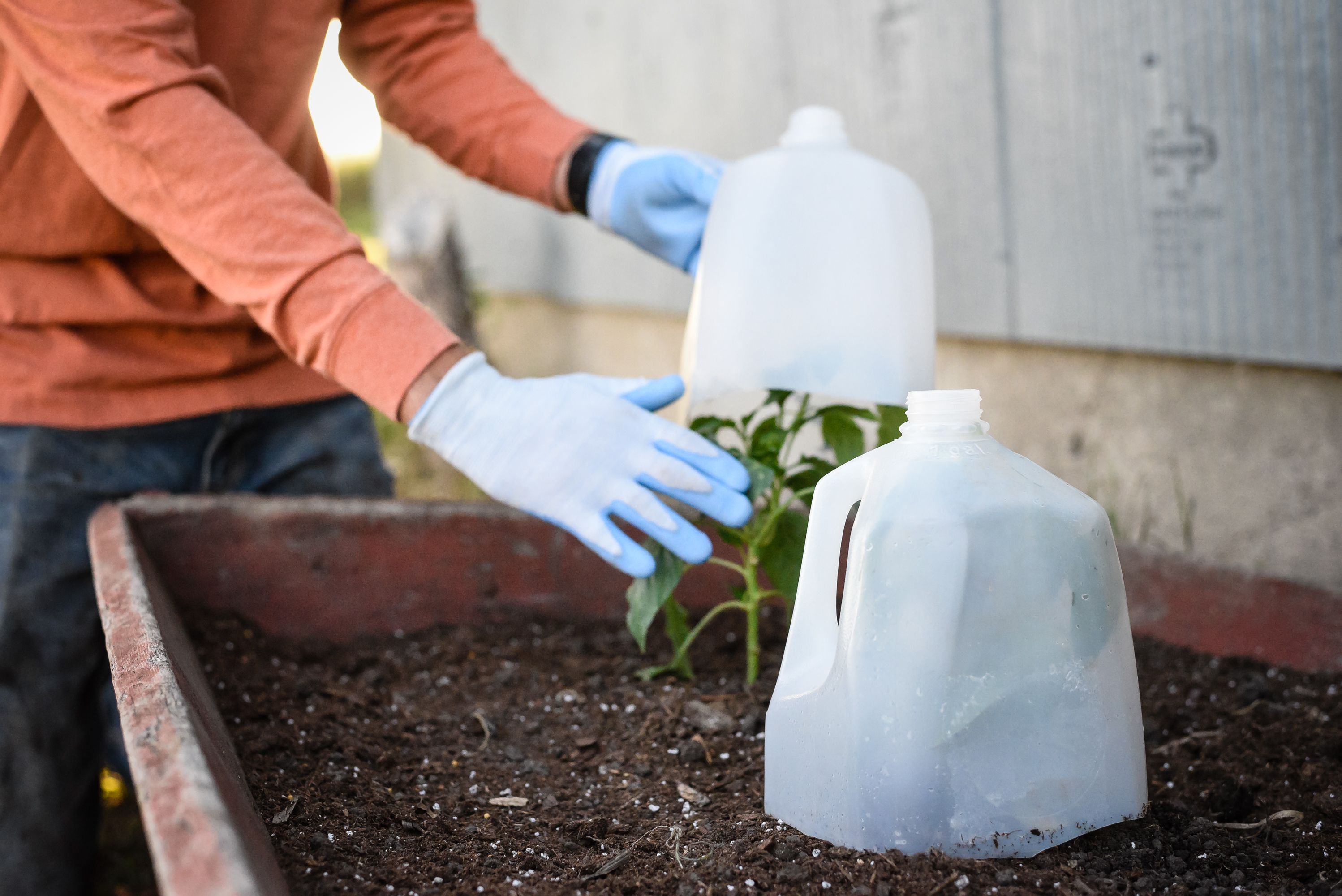
Beyond traditional covers, innovative solutions can also help. Build simple DIY cloches from repurposed plastic bottles or milk jugs for individual small plants. For larger areas, creating temporary tunnels with clear plastic sheeting over hoops can mimic a greenhouse effect, trapping warmth and protecting from direct cold. Ensure good ventilation on warmer days to prevent overheating.
*
Prioritize and Prune (Carefully):
Sometimes, despite best efforts, you might lose some top growth. Resist the urge to prune frost-damaged plants immediately. The damaged foliage can provide a layer of insulation for the parts of the plant that may still be alive beneath. Wait until all danger of frost has passed in spring, and new growth begins to emerge, before trimming away the dead portions. This prevents stimulating new, tender growth that could be damaged by subsequent frosts.
Conclusion
Don't let the threat of frost or a full-blown freeze cast a shadow over your gardening passion. By understanding the nuances of cold weather, identifying your garden's most vulnerable inhabitants, and implementing a combination of proactive and reactive protective measures, you can dramatically increase your plants' chances of survival. From simple covers and strategic watering to mulching and thoughtful planting, every step you take contributes to a more resilient and vibrant garden. Stay vigilant with weather forecasts, arm yourself with knowledge, and your garden will thank you by thriving, even in the face of nature's chilly challenges. Happy gardening!