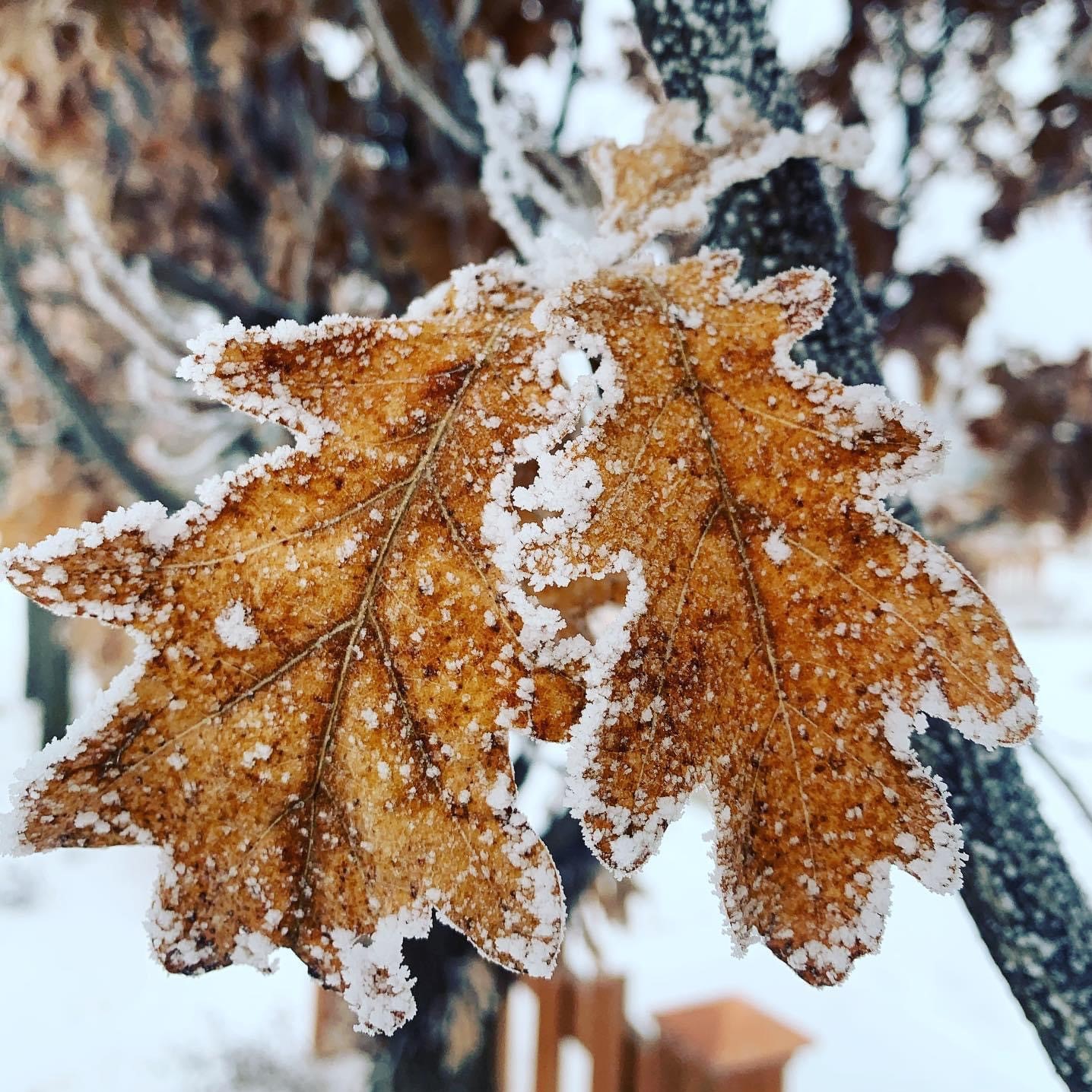
The chill in the air and a looming weather forecast can strike fear into the hearts of even the most seasoned gardeners. A sudden drop in temperature can spell disaster for your vibrant blooms and promising vegetable patches, transforming lush greenery into frost-bitten ruins overnight. Understanding the subtle yet crucial differences between a "frost" and a "freeze" is your first line of defense in safeguarding your beloved garden from winter's harsh grip.
This comprehensive guide will equip you with the knowledge and practical strategies on how to protect plants from frost and freeze events, ensuring your garden not only survives but thrives, even when the thermometer dips. From identifying vulnerable species to deploying effective protective measures, we’ll help you navigate the cold snap with confidence.
Frost vs. Freeze: Decoding the Cold Weather Threat
While often used interchangeably, "frost" and "freeze" describe distinct cold weather phenomena with varying implications for your garden. Knowing the difference is paramount for appropriate protective action.
What is a Frost?
A frost occurs when air temperatures fall into the range of 32°F to 36°F (0°C to 2°C). Even though temperatures might be slightly above freezing, the air immediately surrounding plant surfaces can cool more rapidly due to radiative cooling, causing ice crystals to form on leaves and stems. There are two main types of frost:
- Light Frost: Typically occurs when temperatures are at the higher end of the range (34-36°F). This might only damage the very top or most tender parts of susceptible plants, leaving the lower portions relatively unharmed. You might see a delicate white coating on surfaces in the morning.
- Hard Frost (or Killing Frost): Happens when temperatures hover around 32°F (0°C) for several hours. This extended exposure to freezing temperatures can cause significant damage, often killing all above-ground parts of tender plants.
What is a Freeze?
A freeze is a more severe event, occurring when air temperatures drop below 32°F (0°C) and remain there for an extended period. This is significantly more damaging than a frost and can have long-lasting effects on your garden:
- Killing Freeze: When temperatures consistently drop well below freezing (e.g., 28°F or lower) for several hours, it can be fatal to even moderately hardy plants. Tropical houseplants and many summer annuals like geraniums and petunias often cannot survive these conditions.
- Impact on Dormancy: For hardy perennials, trees, and shrubs, a fall freeze warning often signals the end of their active growing season, prompting them to enter a necessary dormancy period. In spring, however, a late freeze can damage new growth or emerging buds.
The duration of cold exposure is as critical as the temperature itself. A quick dip to 30°F for an hour might be less harmful than sustained exposure to 33°F overnight.
Which Plants Need Your Protection?
Not all plants are created equal when it comes to cold tolerance. Understanding which species are most vulnerable is key to allocating your protective efforts effectively.
Generally, plants that flourish and produce fruit or flowers in warm temperatures are the most susceptible to frost and freeze damage. Think about the vibrant annuals that grace your summer garden and the delicious vegetables you harvest in mid-season. Many of these plants originate from tropical or subtropical regions, naturally lacking the genetic hardiness to withstand freezing conditions.
Highly Vulnerable Plants:
- Summer Annuals: Petunias, impatiens, begonias, marigolds, coleus, zinnias.
- Warm-Season Vegetables: Tomatoes, peppers, cucumbers, squash, beans, corn, eggplant.
- Tender Herbs: Basil, cilantro, dill.
- Tropical Plants: Hibiscus, bougainvillea, citrus, many houseplants (e.g., peace lilies, ferns) if kept outdoors.
- Young Plants: Even hardy perennials can be sensitive to cold when they are newly planted or very young, as their root systems are not yet fully established.
Generally Resilient Plants:
In contrast, many perennial plants (those that return year after year), shrubs, and trees native to temperate climates are typically well-equipped to handle sudden temperature drops, especially once they are mature and healthy. These plants are often dormant during the coldest months, a natural survival mechanism. However, extremely harsh or prolonged freezes can still cause damage, particularly to less hardy varieties or those planted outside their recommended USDA hardiness zone.
When and How to Act: Timing is Everything
Knowing when to deploy your frost protection strategies can be the difference between a thriving garden and a sad, wilted landscape. Proactive measures are always more effective than reactive ones.
Monitor Forecasts Diligently: Your local weather forecast is your best friend. When temperatures are predicted to dip into the 36°F to 32°F range, it’s time to take action for your tender plants. For an extra layer of safety, especially in low-lying areas of your landscape that can be prone to colder air pockets, consider covering plants if temperatures are expected to drop below 40°F (4°C).
Cover Before Sunset: The optimal time to cover your plants is during the afternoon, ideally an hour or two before the sun goes down. This allows the soil to absorb residual warmth from the day, which will then be trapped by the cover overnight. It's also significantly easier to get covers in place while there's still daylight.
Effective Strategies: How to Protect Plants from Frost
Protecting plants from frost doesn't have to be complicated. With a few simple, practical steps, you can significantly increase your garden's chances of survival. For a more in-depth look at various techniques, explore our Protect Your Plants: Essential Frost and Freeze Survival Guide.
1. Provide Protective Covers
Creating a physical barrier is one of the most effective ways to shield plants from cold air and frost formation. The goal is to trap heat radiating from the soil and prevent direct exposure to freezing temperatures.
- Material Matters: Use lightweight materials like old bed sheets, blankets, burlap, cardboard boxes, or specialized frost blankets (row covers). Avoid plastic sheeting directly touching leaves, as it can transfer cold and cause more damage. If using plastic, ensure it's suspended above the foliage.
- How to Cover: Drape covers over plants, ensuring they extend to the ground to trap warmth. Secure the edges with rocks, bricks, or soil to prevent wind from blowing them off. For taller plants, you might need stakes or tomato cages to create a mini-tent structure.
- Remove in the Morning: As soon as temperatures rise above freezing and the risk of frost has passed, remove the covers. This prevents overheating during the day and allows for essential light and air circulation.
2. Water Wisely
A well-hydrated garden can actually withstand cold better than dry soil. Water holds heat more efficiently than dry soil, radiating warmth throughout the night.
- Deep Watering: Water your garden deeply in the late afternoon before a predicted frost. The moisture in the soil will absorb heat during the day and slowly release it overnight, helping to keep the surrounding air warmer.
- Avoid Wet Foliage: While watering the soil is beneficial, avoid wetting the foliage late in the day, as this can exacerbate frost damage if the water freezes on the leaves.
3. Mulch for Insulation
A thick layer of mulch acts like a warm blanket for your plants' roots, providing insulation against plummeting soil temperatures.
- Apply Generously: Around the base of susceptible plants, apply a 2-4 inch layer of organic mulch such as straw, shredded leaves, wood chips, or pine needles. This helps retain soil heat and protects the root zone from freezing solid.
- Temporary Protection: For annuals or very tender perennials, you can even temporarily bury them in a mound of mulch for extreme cold snaps. Just be sure to uncover them once the danger passes.
4. Relocate Potted Plants
One of the easiest ways to protect tender potted plants, especially tropical varieties or annuals in containers, is to move them indoors or to a sheltered location.
- Indoor Haven: Bring houseplants, geraniums, fuchsias, and other delicate container plants inside before temperatures drop below 40°F. Place them in a sunny window or under grow lights.
- Sheltered Spots: If bringing them indoors isn't feasible, move containers to a protected area like a covered porch, garage, shed, or under the eaves of your house. Even a slight reprieve from direct exposure can make a difference.
5. Strategic Planting and Site Selection
Long-term protection starts with smart planning. For additional tips on preparing your garden for winter, refer to Garden Frost Protection: Simple Ways to Save Tender Plants.
- Know Your Zone: Plant species that are hardy for your specific USDA plant hardiness zone. This minimizes the need for extensive intervention.
- Microclimates: Identify warmer microclimates in your garden. Areas near south-facing walls, large rocks, or paved patios tend to retain more heat. Plant your most tender specimens in these spots. Avoid low-lying "frost pockets" where cold air settles.
- Elevation: Plant tender annuals on higher ground if possible, as cold air sinks.
6. Harvest Before Damage
If an unseasonably early or late frost threatens crops you intend to harvest, sometimes the best protection is to pick them before the cold does its damage. For instance, harvest all your tomatoes and peppers if a hard frost is imminent. Many can ripen indoors.
Conclusion
Understanding the nuances of frost versus freeze, identifying your garden's most vulnerable inhabitants, and acting swiftly with proven protection methods are all crucial steps in safeguarding your green oasis. While we can't control the weather, we can certainly equip ourselves with the knowledge and tools to mitigate its impact. By staying vigilant, observing forecasts, and implementing these practical strategies, you can extend your growing season, protect your investment, and ensure your garden continues to bring beauty and bounty, even when winter tries to bite.
