Understanding Frost: What It Is and Why It Matters
An unexpected dip in temperatures can spell disaster for a thriving garden. While your plants can't don a cozy sweater, understanding the nuances of cold weather phenomena like frost is the first step in successful garden protection. Many gardeners believe frost only occurs when temperatures hit the freezing point of 32°F (0°C), but this isn't entirely accurate. A frost advisory is often issued when temperatures are expected to fall between 32°F and 36°F (0°C to 2°C), signaling that it's time to take action.
Frost vs. Freeze: Decoding the Cold
It's crucial to differentiate between frost and a freeze, as their impacts on plants vary significantly.
- Frost: This occurs when water vapor in the air freezes on surfaces like plant leaves, even if the air temperature is slightly above freezing. A light frost (32-36°F / 0-2°C) might damage only the tender top growth of sensitive plants, while lower parts could remain viable. A hard frost occurs when temperatures hover around 32°F (0°C) for several hours, often killing all above-ground parts of vulnerable plants.
- Freeze: A more severe threat, a freeze happens when air temperatures drop below 32°F (0°C) and remain there for several hours. This sustained cold can cause widespread cellular damage in plants, leading to wilting, blackening, and ultimately, death for many tender species. Tropical houseplants and annuals like geraniums are particularly susceptible to even a short freeze. A hard freeze can also signal the end of the growing season for annuals and force hardy perennials, trees, and shrubs into dormancy. For a deeper dive into these critical distinctions and their implications for your garden, explore our detailed guide: Frost vs. Freeze: Safeguard Your Garden from Winter Damage.
Identifying Vulnerable Plants: Who Needs Frost Protection?
Not all plants are created equal when it comes to cold tolerance. While native, hardy perennials, shrubs, and trees are often well-equipped to handle sudden temperature drops, many of our favorite garden inhabitants hail from warmer climates and require a helping hand. So, how to protect plants from frost begins with knowing who the most vulnerable players are in your landscape.
Annuals and Tender Perennials
Generally, plants that complete their life cycle in one season (annuals) or those perennials that are not cold-hardy in your specific zone are the most sensitive. Think about the vibrant flowers and bountiful vegetables that thrive in the heat of summer:
- Warm-Season Vegetables: Tomatoes, peppers, cucumbers, squash, beans, corn, eggplant, okra, and basil are extremely susceptible to frost. Even a light frost can destroy their foliage and nascent fruits.
- Summer Annuals: Petunias, impatiens, begonias, marigolds, zinnias, and coleus bring splashes of color to our gardens but are quickly damaged by cold temperatures below 40°F (4°C).
- Tender Perennials/Tropicals: Plants often grown as annuals in temperate climates, such as geraniums, fuchsias, cannas, dahlias (whose tubers can be dug up), and many houseplants moved outdoors for summer, will not survive a frost or freeze.
These plants, often originating from frost-free tropical regions, lack the internal mechanisms to cope with ice formation in their cells, making them prime candidates for frost protection. They need safeguarding both in spring, when young and tender plants are susceptible to late frosts, and in fall, if you wish to extend their growing season as long as possible before winter truly sets in.
When to Act: Timing Your Frost Protection Efforts
Timing is everything when it comes to saving your plants from an icy demise. Don't wait until you see ice forming on your car windshield! Being proactive is key to effective frost protection.
Monitoring the Forecast and Early Intervention
Your local weather forecast is your best friend during periods of fluctuating temperatures. When temperatures between 36°F and 32°F (2°C to 0°C) are predicted, it's time to prepare. Some experts even recommend taking precautions when temperatures dip below 40°F (4°C), especially for the most sensitive plants or in low-lying areas of your garden, which can experience slightly colder conditions due to cold air sinking. It's always better to be safe than sorry.
The most effective time to cover your plants is during the afternoon, *before* the sun goes down. This allows the soil to absorb as much solar heat as possible throughout the day. Covering plants in daylight is also simply easier and ensures you secure your covers properly. Removing covers should typically be done after temperatures rise above freezing the following morning, once the sun has had a chance to warm things up. Leaving covers on too long can cause heat build-up and stress the plants.
Simple Solutions: How to Protect Plants from Frost
You don't need fancy equipment to shield your garden from a sudden cold snap. Here are several practical and effective ways to protect plants from frost damage, ensuring your tender flora survives to flourish another day.
1. Cover Your Plants
This is arguably the most common and effective method. Covers trap heat radiating from the soil, creating a warmer microclimate around the plant.
- Materials: Use lightweight materials like burlap, old sheets, blankets, cardboard boxes, or commercial frost cloths (row covers). Avoid plastic sheets that touch the foliage, as plastic conducts cold directly to the plant tissue. If using plastic, ensure it's draped over stakes or a frame so it doesn't rest on the leaves.
- Application: Drape covers over plants, ensuring they extend to the ground to trap heat effectively. Secure the edges with rocks, bricks, or soil to prevent wind from blowing them away and cold air from seeping in. For larger plants, use stakes or tomato cages to create a support structure before draping the cover.
- Timing: Cover plants in the late afternoon, before temperatures begin to drop. Remove covers in the morning after temperatures rise above freezing and the sun is out, to allow for air circulation and light.
2. Water Thoroughly Before a Frost
This might seem counterintuitive, but a well-hydrated garden is more resistant to cold. Water holds heat more effectively than dry soil, and as water freezes, it releases latent heat, which can slightly raise the air temperature around plants.
- Method: Water your garden deeply and thoroughly in the late afternoon on the day a frost is expected. Ensure the soil is moist but not waterlogged.
- Benefit: Moist soil conducts and radiates heat better than dry soil, providing a buffer against freezing temperatures.
3. Move Potted Plants Indoors
For container-grown plants, this is by far the simplest solution.
- Method: Bring potted annuals, tender perennials, and any houseplants that spent the summer outdoors inside before temperatures drop below 40°F (4°C).
- Placement: Place them in a garage, shed, sunroom, or indoors near a window. Ensure they have adequate light if they'll be inside for an extended period.
4. Mulch Generously
A thick layer of mulch acts as an insulating blanket for the soil and plant roots.
- Method: Apply a thick layer (4-6 inches) of organic mulch like straw, wood chips, shredded leaves, or pine needles around the base of tender plants.
- Benefit: Mulch helps retain soil warmth and protects roots from freezing, especially crucial for semi-hardy perennials that might die back but return from the roots. In autumn, mulching after the first hard frost also signals to the plant that it's time to go dormant.
5. Use Temporary Structures
For more localized or longer-term protection, temporary structures can be very effective.
- Cold Frames: These mini-greenhouses, often with a clear lid, can be placed over plants to trap solar heat during the day and protect them at night.
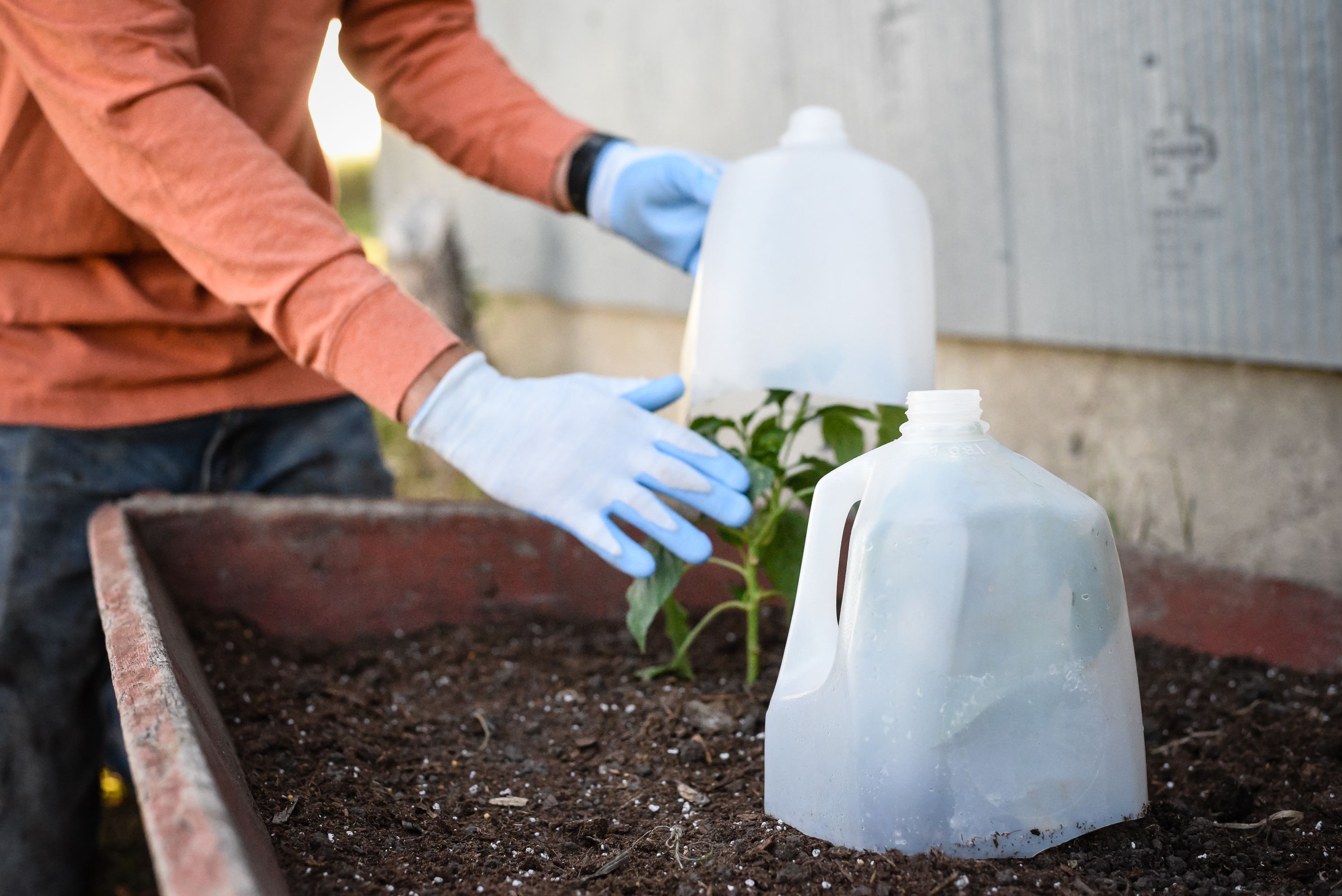
- Cloches: Bell-shaped glass or plastic covers placed directly over individual plants. Improvise with plastic milk jugs (bottom removed) or clear soda bottles.
- Row Covers: Long sheets of lightweight fabric designed to protect entire rows of vegetables. They allow light and water to pass through but trap warmth.
6. Utilize Thermal Mass
Objects that absorb and radiate heat can help regulate temperatures around sensitive plants.
- Stone or Brick Walls: Planting tender varieties near south-facing stone walls can provide a few degrees of extra warmth as the wall slowly releases stored daytime heat throughout the night.
- Water Jugs: Filling dark-colored plastic jugs with water and placing them among your plants or under covers can provide a similar benefit, as the water absorbs heat during the day and radiates it at night.
By combining these strategies, you can significantly increase your garden's resilience against cold weather. For even more detailed guidance and comprehensive strategies on safeguarding your green space, refer to our Protect Your Plants: Essential Frost and Freeze Survival Guide.
Conclusion
Don't let a sudden drop in temperature catch your garden off guard. Understanding what frost is, identifying your most vulnerable plants, and knowing when to act are crucial steps in garden frost protection. By implementing these simple yet effective techniques – from covering your plants and watering deeply to strategic mulching and moving containers – you can significantly improve your chances of saving tender plants from frost damage. With a little preparation and timely intervention, your garden can weather the cold snap, ensuring your beloved annuals and sensitive perennials continue to thrive or return robustly when warmer weather returns. Stay vigilant with your weather forecasts, and give your garden the protective care it deserves!
